12 Clever Dark Apartment Decorating Ideas With No Natural Light
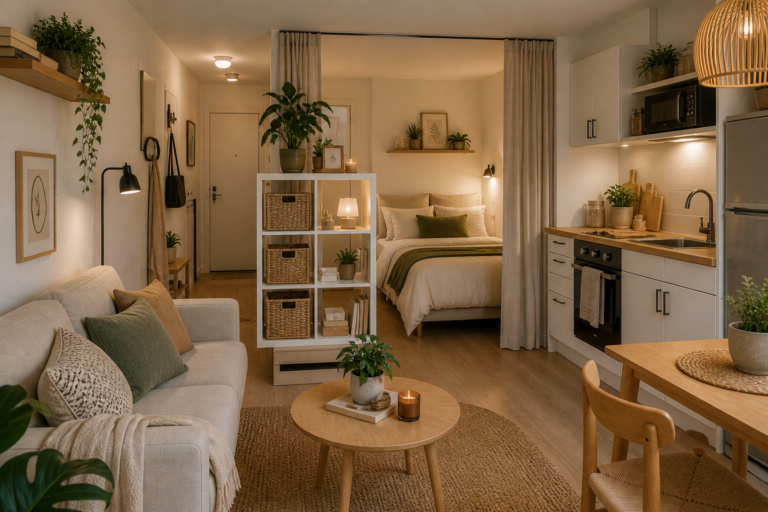
Dark apartment decorating ideas are something millions of renters need but rarely find straight answers on. If your place faces north, sits below street level, or is wedged between two buildings, you already know the drill — dim rooms, flat light at best, and a space that feels smaller and heavier than it should. The good news is that low-light apartments are some of the most transformable spaces to work with. Whether you want to brighten things up or lean fully into a cozy, moody aesthetic, these 12 ideas give you a real plan. No rewiring, no drilling, no lease violations required.
Why Darkness Is a Design Opportunity, Not a Problem
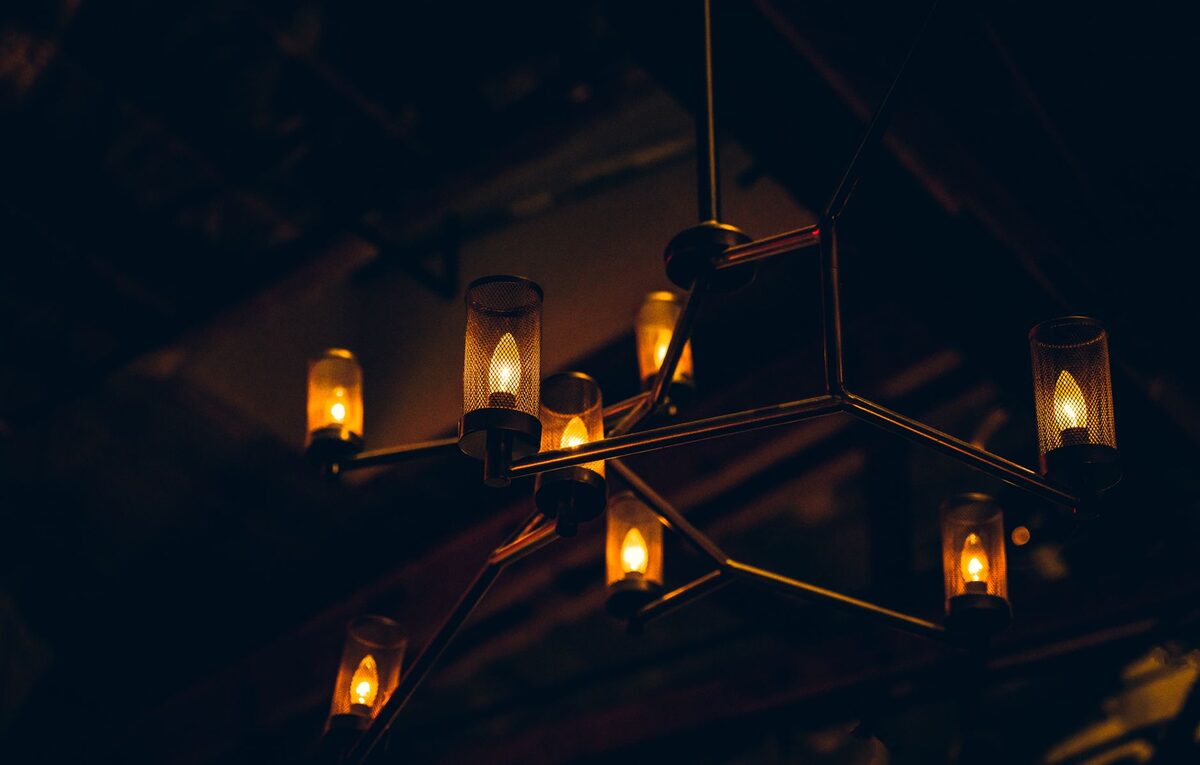
Before you reach for a gallon of white paint, consider this: some of the most coveted interior aesthetics right now — dark academia, moody maximalism, cozy cottagecore — thrive in exactly the kind of apartment you have. Low natural light gives you automatic atmosphere. The trick is deciding whether you want to fight the darkness or work with it, then committing to that direction. Both paths can look intentional and beautiful. The ideas below cover both approaches so you can mix and match what fits your space and style.
1. Layer Your Lighting — It’s the Single Biggest Change You Can Make
A single overhead bulb in a dark apartment creates harsh shadows and makes every surface look flat. The solution is layers. Think of lighting in three tiers: ambient (general brightness), task (focused work or reading light), and accent (mood and visual depth).
Start with a warm-white floor lamp in the corner farthest from any window — this lifts the whole room. Add a table lamp on each side of the sofa or bed to create warmth at eye level. Then string a set of warm Edison or globe fairy lights along a shelf or around a mirror for accent glow. Aim for bulbs in the 2700K–3000K range; anything cooler makes a dark room feel sterile and clinical rather than cozy and welcoming.
If your apartment lacks ceiling fixtures entirely, a plug-in pendant lamp is one of the best investments you can make. No electrician needed — it hooks onto a ceiling hook and plugs into a standard outlet. This single piece can anchor a whole room and make it feel designed rather than patched together.
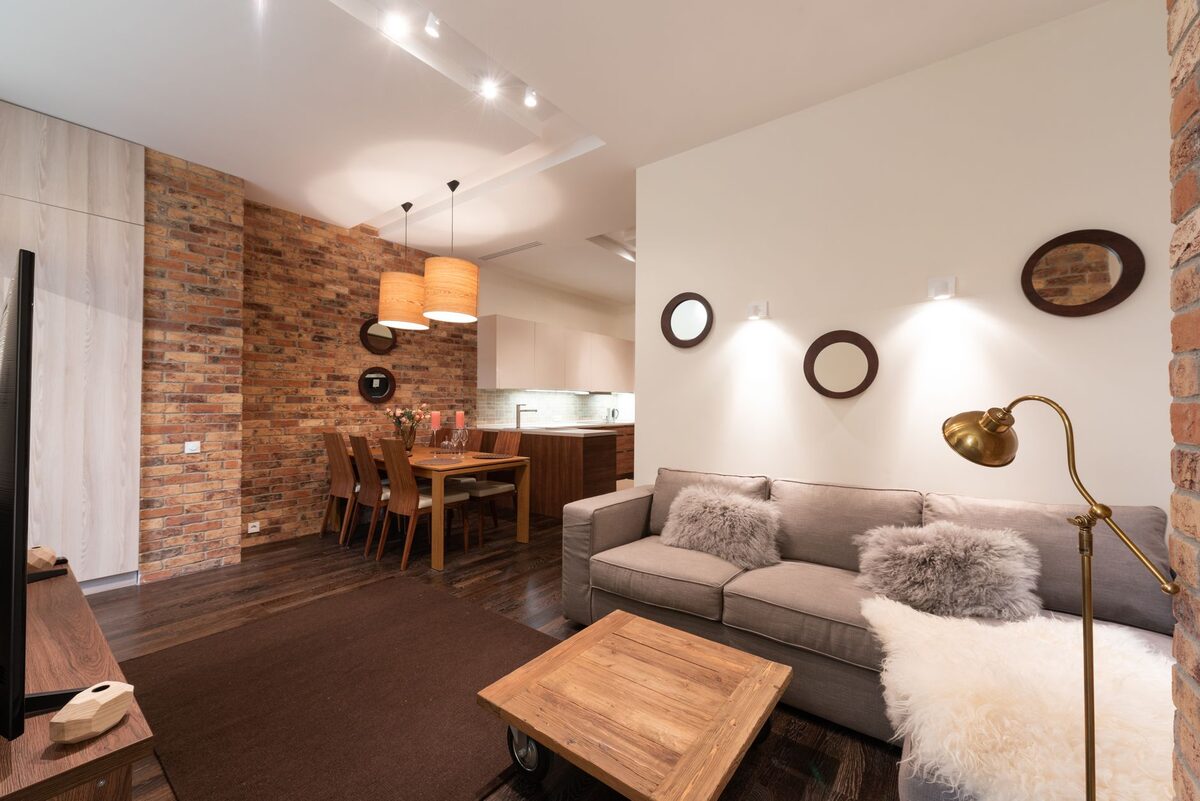
2. Place Mirrors to Double Every Bit of Light You Have
Mirrors don’t generate light, but they reflect and move it in a way that genuinely changes how bright a room feels. The key is placement: position a mirror on the wall directly across from any light source — a lamp, a window, even a cluster of candles. This sends that light bouncing back across the room rather than being absorbed by a dark wall.
For an apartment with no natural light, a large leaned floor mirror near your best lamp creates a second “light source” effect without any electrical work. An arch mirror leaned against the wall is one of the most renter-friendly options because it requires zero holes and has enough surface area to make a real impact. Just make sure the mirror reflects something worth seeing — a well-lit shelf or a plant, not a bare wall.
3. Choose Paint Colors and Finishes That Fight the Darkness
If you have permission to paint, the right colors and finishes matter more in a dark room than anywhere else. Warm whites like Swiss Coffee, Alabaster, or Antique White read brighter than pure cool white in low-light conditions — bright white can actually look slightly grey when there’s no sunlight to activate it.
Beyond wall color, finish matters too. A satin or eggshell finish reflects more light than flat matte paint. For renters who can’t paint, apply the same logic to furniture and soft furnishings: creamy linen sofas, pale oak wood tones, light-colored rugs, and sheer curtains all bounce available light around the room better than dark or heavy fabrics.
One often-overlooked trick: line the back panel of a bookshelf with removable wallpaper or contact paper in warm cream or soft terracotta. This turns shelving into a visual focal point that glows under accent lighting instead of fading into the wall behind it.
4. Embrace the Dark Apartment Decorating Ideas That Lean Into the Mood
Here’s the approach most guides skip: you don’t have to make your space brighter. A cozy dark apartment with intentional styling can feel dramatically more inviting than a dim room desperately cosplaying as a sun-filled one. The moody apartment aesthetic works by layering rich textures, warm tones, and purposeful lighting to make darkness feel luxurious rather than gloomy.
Think: deep terracotta throw pillows against a dark linen sofa, brass candlestick holders clustered on a wooden tray, velvet curtains in forest green or dusty plum, and a gallery wall of dark-framed prints. Warm amber Edison bulbs deepen the cozy feel rather than trying to fight it. The rule for this approach is contrast — dark backgrounds paired with warm-toned textiles, metallic accents, and candlelight (real or battery-powered). Without contrast, a dark room feels neglected. With it, it feels like a deliberate retreat.
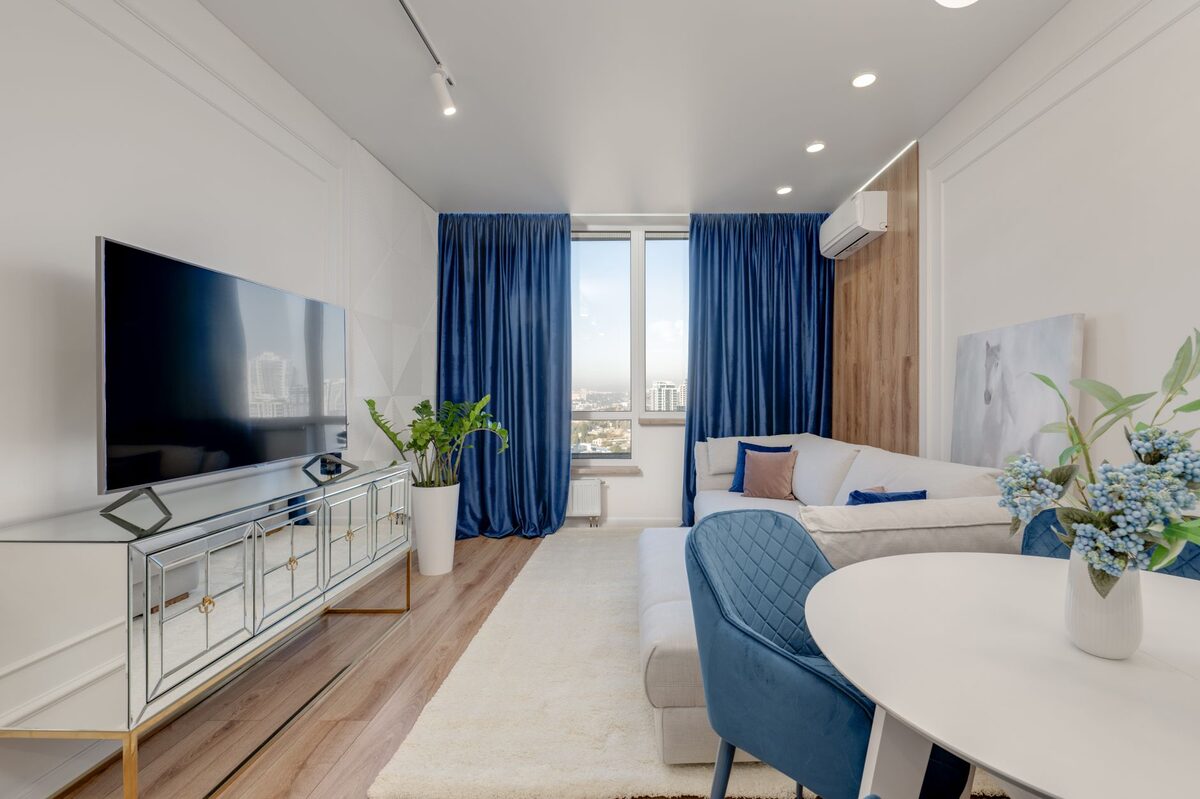
If the moody direction appeals to you, these boho bedroom ideas for small spaces are full of texture-driven inspiration that works beautifully in low-light rooms.
5. Swap Heavy Furniture for Light-Passing Pieces
Heavy, dark furniture absorbs light and makes a low-light room feel smaller and more closed-in. A few targeted swaps make an immediate difference without a full redecoration.
Replace a dark-framed coffee table with a glass or acrylic version — light passes straight through instead of stopping at a visual block, which makes the floor area feel larger. Swap thick blockout curtains for sheer panels; even in a north-facing room, sheers let in significantly more ambient light than heavy drapes while still providing privacy. And choose furniture with legs over pieces that sit flush to the floor — a sofa or bed frame with visible legs creates floor space underneath that makes the whole room feel lighter.
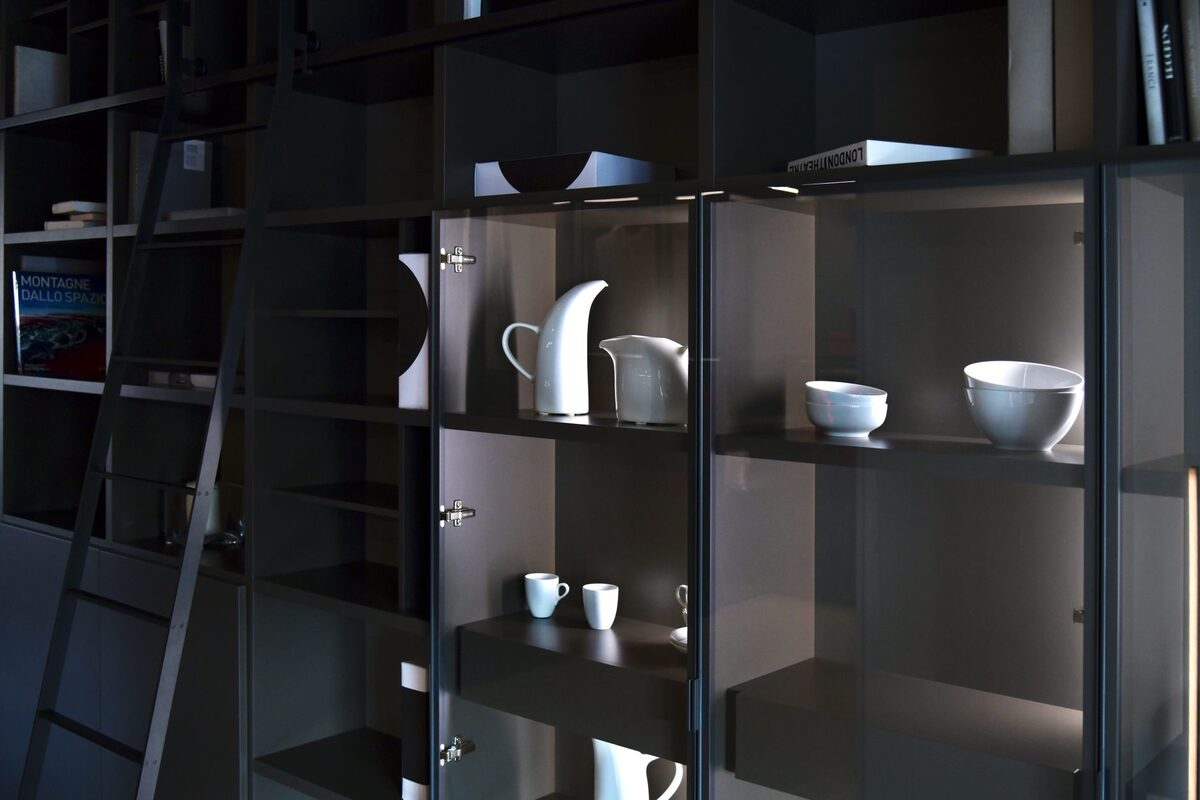
Finally, add a metallic or glass vase, tray, or lamp base somewhere in the room. Reflective surfaces scatter artificial light on a small scale the same way mirrors do on a large one. A brass table lamp base or a mirrored tray on the coffee table does more work than it looks like. For more ideas on transforming your space without touching the walls, check out these renter-friendly decor ideas that require zero drilling.
6. Add Plants — Even in Low-Light Apartments
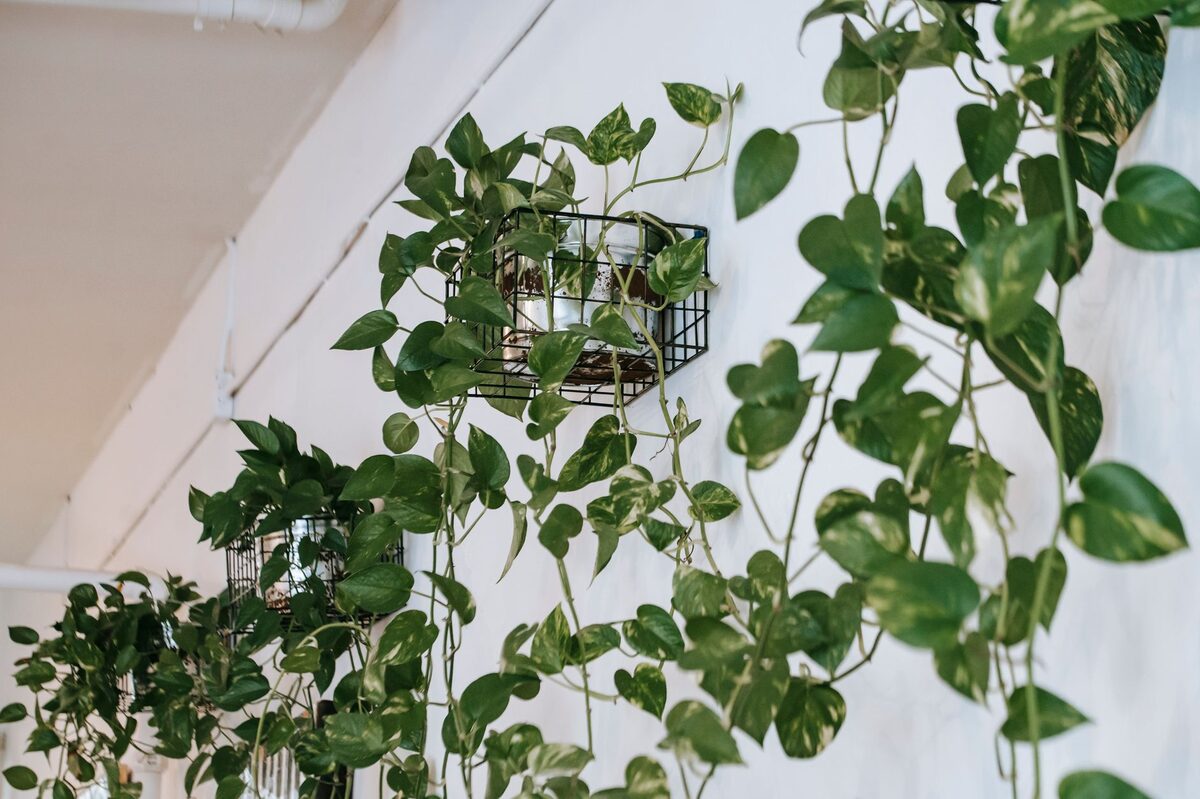
Plants bring visual warmth and organic texture to a dark room, and several species genuinely thrive with minimal light. Pothos, ZZ plants, snake plants, and heartleaf philodendrons all tolerate low-light apartments without struggle. A trailing pothos on a shelf or a tall snake plant in a corner gives the room scale and life without requiring you to be a dedicated plant parent.
If your apartment has truly zero natural light, high-quality faux plants in realistic materials look convincing at normal viewing distance and require zero maintenance. The goal is visual texture and a sense of warmth — not a botanical garden. One statement plant near your main floor lamp creates a natural focal point that draws the eye and immediately warms the room.
7. Use Removable Wallpaper to Add Visual Warmth
A dark room with flat, bare walls amplifies the gloom. One of the easiest renter-approved ways to add visual warmth and depth is a peel-and-stick wallpaper accent wall. A warm, earthy pattern — think ochre geometrics, terracotta botanical prints, or linen-textured neutrals — adds dimension and changes the mood of the whole room without a single nail.
The key is to apply it to the wall behind your main light source so the pattern is lit and visible, not lost in shadow. A warm-toned wallpaper behind the bed, behind a sofa, or as a bookshelf back panel transforms an otherwise flat wall into an intentional design feature. Best of all, quality peel-and-stick wallpaper comes off cleanly when your lease ends — no damage, no deposit disputes.
8. Declutter at Floor Level
Clutter on the floor makes a dark room feel significantly smaller and heavier. Moving storage off the floor and onto walls — open shelves, pegboards, over-door organizers, wall-mounted hooks — frees up visual floor space that makes the room breathe. Even a modest jute rug in a lighter tone can expand the perceived size of the room simply by defining a clean, uncluttered zone.
This is one of those changes that costs nothing but effort and has a disproportionate impact on how bright and open a dark room feels. Once the floor is clear, the lighting and mirror tricks above have more room to work.
9. Use Warm Textiles Strategically
Layered textiles in warm, natural tones — cream linen throw pillows, a chunky knit blanket in oatmeal or rust, a jute or wool rug — add visual warmth that makes a low-light room feel inviting rather than cold. This works whether you’re going for the bright and airy look or leaning into the moody apartment aesthetic; warm-toned fabric in either direction anchors the space.
Avoid synthetic fabrics in cool tones like grey polyester or navy blue microfiber in dark apartments — they absorb whatever light exists and make the room feel heavier. Natural textures like linen, cotton, jute, and wool have enough visual variation to catch and diffuse light even under artificial sources.
10. Try Smart Bulbs for Adjustable Light Temperature
Smart bulbs let you adjust both brightness and color temperature with your phone, which is a genuine game-changer for an apartment with no natural light. In the morning you might want a cooler, brighter 4000K tone to help you wake up and focus. In the evening, dialing back to 2200K creates a warm amber glow that makes even a dark room feel like a candlelit retreat.
Brands like Philips Hue and LIFX offer full-range smart bulbs that fit standard lamp sockets — no new fixtures required. A two-lamp setup with smart bulbs on a morning/evening schedule can dramatically change how you experience a dark apartment across the course of a single day.
11. Create a Strong Visual Focal Point
Dark rooms without a clear focal point feel shapeless and heavy. Giving the eye somewhere deliberate to land — a gallery wall, a statement headboard, a bold piece of art — gives the room structure and makes the darkness feel purposeful rather than accidental.
The focal point should be your best-lit wall. Aim a floor lamp or plug-in sconce toward it so the art or arrangement is actually visible rather than hiding in shadow. A warm-toned piece with organic shapes — a large botanical print, an abstract in terracotta and cream — reads beautifully under warm artificial light and creates visual interest without relying on natural light to do the work.
12. Bring in Candlelight and Warm Glow Accents
Few things transform a dark room faster than candlelight. A cluster of pillar candles on a tray, a row of tea lights along a shelf, or a single large statement candle in a warm-toned ceramic vessel adds flicker, warmth, and a completely different quality of light than any bulb. Battery-operated LED candles have improved dramatically and are a great renter option if you can’t have open flames.
Combine real or LED candles with warm Edison bulb lamps and your moody dark apartment stops looking dim and starts looking atmospheric. For more ways to work with what you’ve got, see how these strategies translate to a studio apartment decorated on a tight budget — the low-light approaches overlap significantly with open-plan studio styling.
Frequently Asked Questions
How do I make a dark apartment with no natural light feel less depressing?
The fastest fix is layered lighting — add a floor lamp, a table lamp, and warm accent lights rather than relying on a single overhead fixture. Then place a large mirror near your best light source, swap any heavy drapes for sheer panels, and add at least one plant. These four changes together make a measurable difference even before you touch the rest of the decor.
What colors look best in a dark room with no natural light?
For brightening: warm whites like Alabaster or Swiss Coffee work better than cool whites, which can read grey without sunlight. For a moody approach, deep terracotta, forest green, chocolate brown, and dusty plum feel intentional rather than gloomy. Avoid mid-toned greige — it’s the worst of both worlds in low-light rooms and tends to just look dull.
Should I lean into the dark aesthetic or try to make my apartment brighter?
It depends on how you use the space. If you work from home and need daylight-quality focus lighting, brightening is the better call. If your apartment is primarily a cozy retreat for evenings and weekends, leaning into the moody apartment aesthetic is often more satisfying and easier to pull off well. Many renters find that a hybrid works best: bright task lighting plus warm moody accent lighting in the same room.
What type of lighting is best for apartments with no natural light?
Warm-white bulbs in the 2700K–3000K color temperature range are the best starting point. Layer them at multiple heights: overhead, eye level, and low (floor lamps, table lamps, candles). For desk or task areas, a cooler daylight bulb (5000K) aids focus without washing out the rest of the room. According to the U.S. Department of Energy, LED bulbs use at least 75% less energy than traditional incandescent lighting, so layering multiple sources won’t significantly impact your electricity bill.
Can plants survive in an apartment with no windows?
Some can, yes. ZZ plants and pothos are the most tolerant of genuinely low-light conditions and will survive with only artificial light as long as lamps are on for several hours a day. Snake plants and heartleaf philodendrons are also solid choices. For truly windowless spaces, a grow light designed to look like a regular table lamp gives plants what they need while serving as a warm accent light in the room at the same time.
Final Thoughts on Dark Apartment Decorating Ideas
Dark apartment decorating ideas don’t have to be a compromise. Whether you’re layering warm lighting to open up a dim living room, placing mirrors to multiply every bit of available light, or committing to a cozy moody apartment aesthetic with rich textiles and candlelight, the space you have is genuinely workable — it just needs a different approach than a sun-drenched apartment would.
The most important shift is intention. A dark room that’s been thoughtfully lit, selectively furnished, and styled with texture and warmth doesn’t feel dark — it feels like a place someone actually wants to be. Start with the lighting layer and work your way through the list. You’ll notice a difference with each step, and most of these changes cost less than a single piece of new furniture.
You Might Also Like
- 25 Renter-Friendly Decor Ideas That Need Zero Drilling
- 12 Brilliant Ways to Decorate a Studio Apartment on a Budget
- 15 Boho Bedroom Ideas That Will Make Your Small Space Feel Like a Dream Escape